
The Four Stage Growth Model
Know Your Stage.
Understand What Comes Next.
Understand where your company is, what may be holding it back and what to strengthen next.

The Challenge
Growth Can Make a Business Harder to Run.
Revenue grows. The team expands. More customers are choosing the company. Yet the owner may feel more stretched than ever. Decisions still flow through the founder, processes depend on specific people, and roles may have developed without fully fitting together.
The problem is not necessarily poor management. The business may simply have reached a stage where what worked before is no longer enough.
Beyond Revenue
Revenue Tells Only Part of the Story.
Two companies with similar revenue can be at very different stages of development. The Four Stage Growth Model looks at how eight interconnected dimensions are developing together: Revenue, Sustainability, Target Market, Market Value Proposition, Organization, Business Processes, Planning, Leadership.
A company’s stage reflects the
coherence of these dimensions, not simply how much revenue it generates.
Similar revenue. Uneven development. Illustrative profiles
Same revenue
- Same revenue
-
The company’s current economic scale and growth.
-
The business’s ability to produce consistent results without relying on extraordinary effort.
-
How clearly the company understands the customers and opportunities it is best positioned to serve.
-
Why customers choose the company and whether that value remains relevant as the market changes.
-
How responsibilities, authority and accountability are structured.
-
Whether important work can be performed consistently beyond the individuals who originally developed it.
-
How effectively the company connects its longer-term direction with current priorities and execution.
-
Whether the business can be led through a capable team rather than depending primarily on the founder.
Revenue
The company’s current economic scale and growth.
A Different Way to Understand Growth
Growth Is Not Just More.
It’s Different.
Lane Sloan developed the Four Stage Growth Model after seeing companies at very different stages being given the same advice. But businesses do not need the same things at the same time.
As a company develops, its leadership, marketing, organization, processes and priorities must develop with it. The Model helps owners understand where the business is today, recognize where parts of the organization may be falling behind and see more clearly what the next stage requires.
Interactive Model
Which Engine Is Driving Your Company?
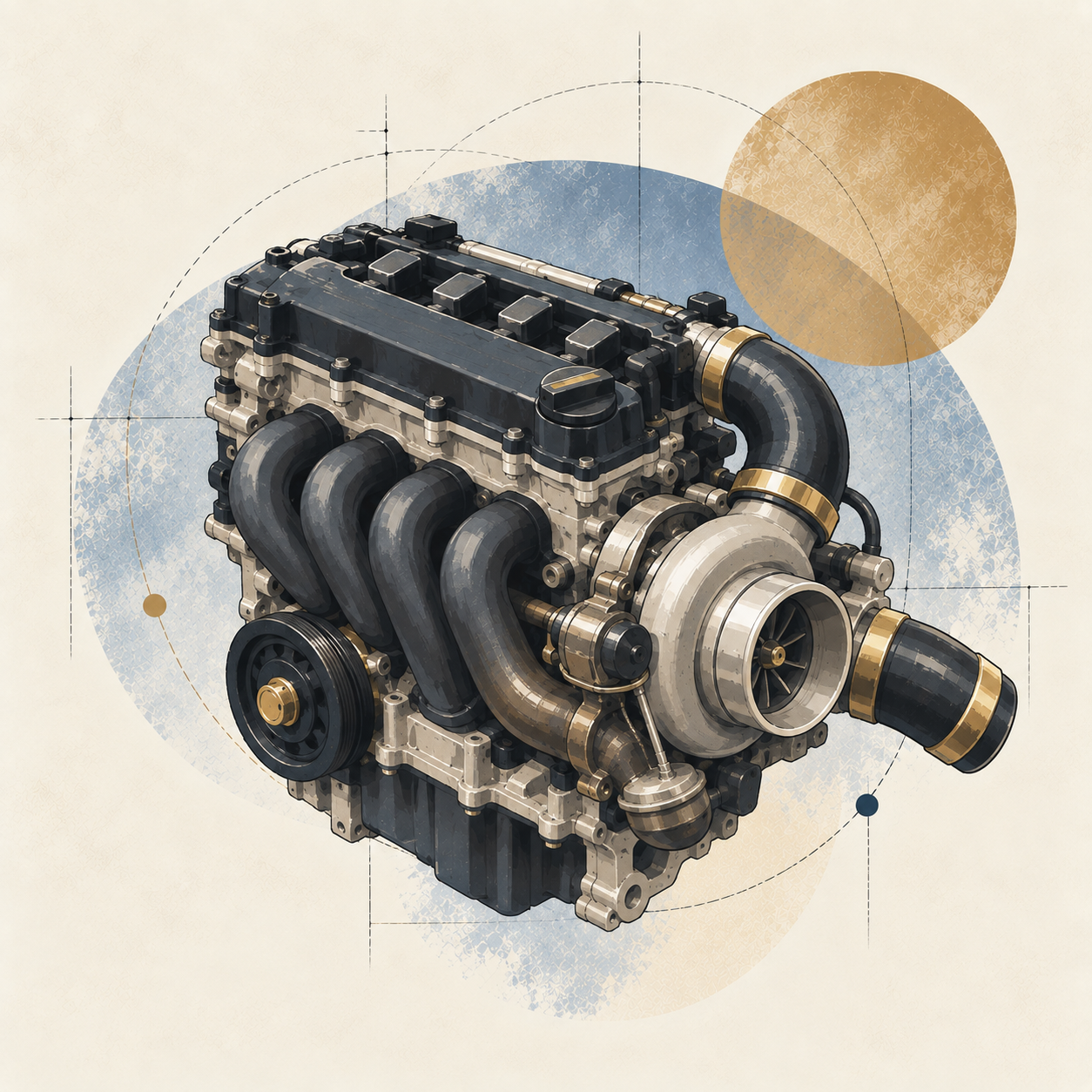
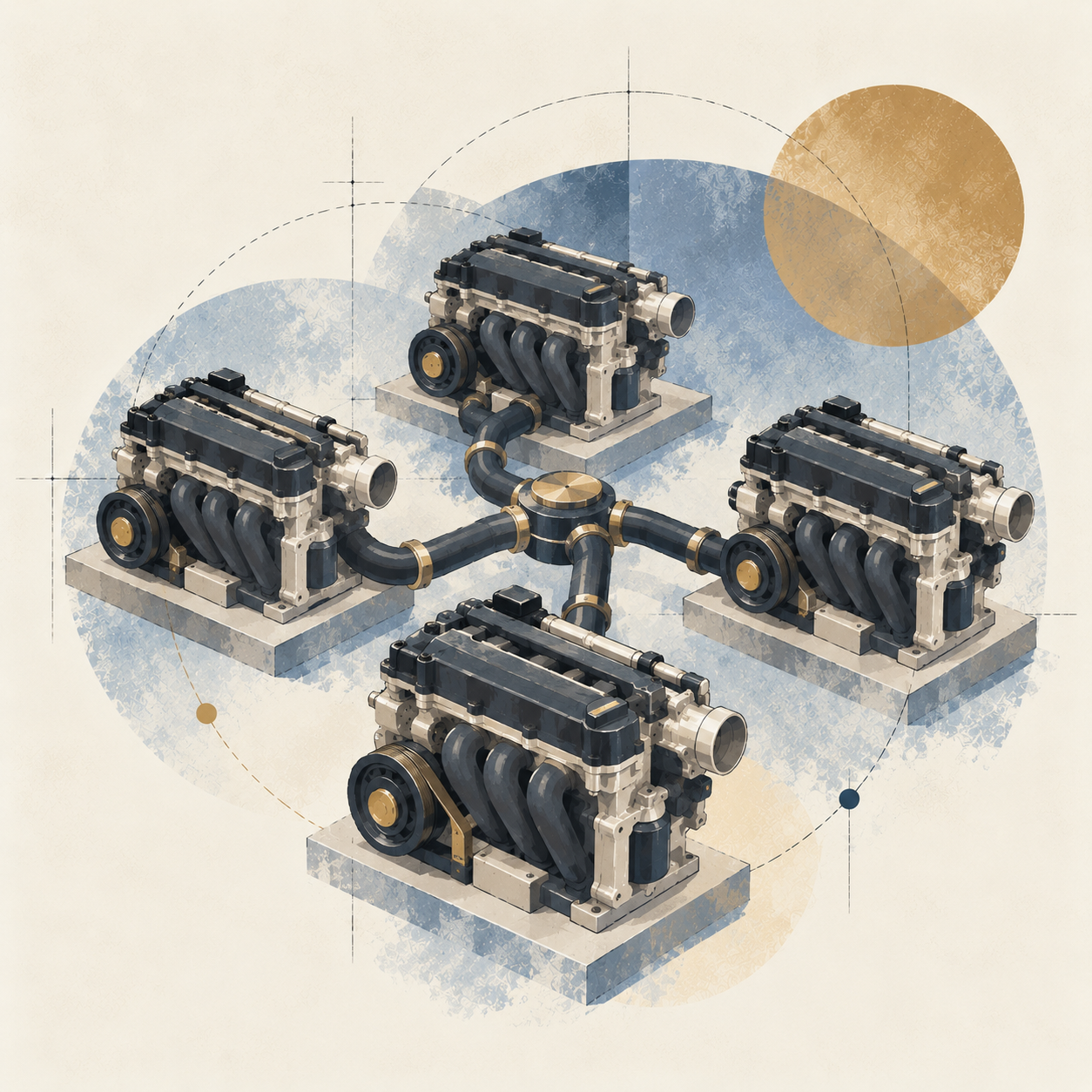
Each stage can be understood as a different kind of engine. As the company advances, that engine becomes more powerful, but it also requires more coordination, structure and leadership. Select a stage to see what makes it work, what may begin to create friction and what the next stage is likely to require.


Stage 1 · Development
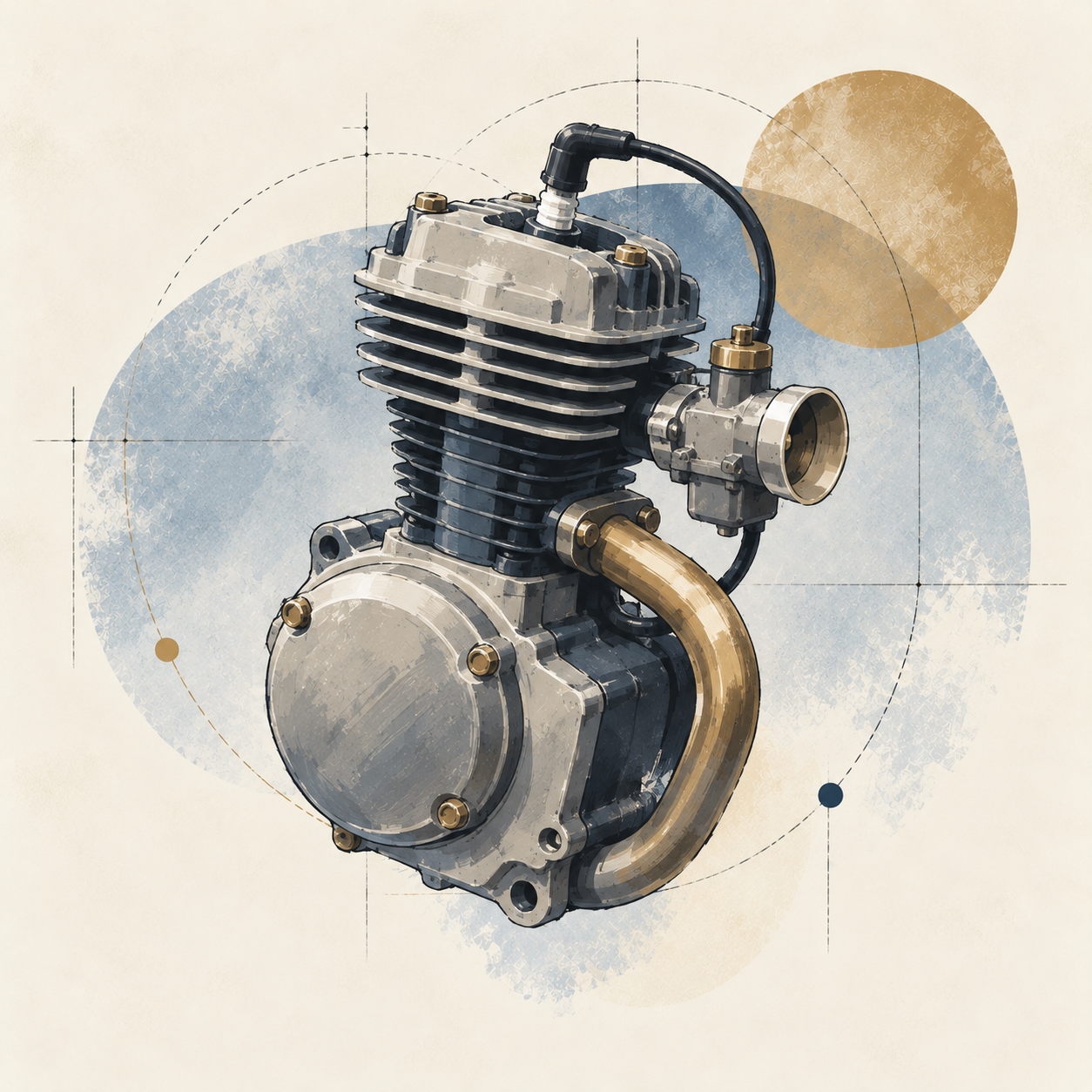
The Single-Cylinder Engine
Typical revenue: Pre-$2 million
At this stage, the company runs largely on the founder's energy. The owner is often at the center of decisions, customer relationships and day-to-day execution. That can make the business fast, flexible and highly responsive, but it also creates natural limits. Growth eventually depends on turning individual effort and know-how into clearer roles, shared responsibility and more consistent ways of working.
Stage 2 · Growth
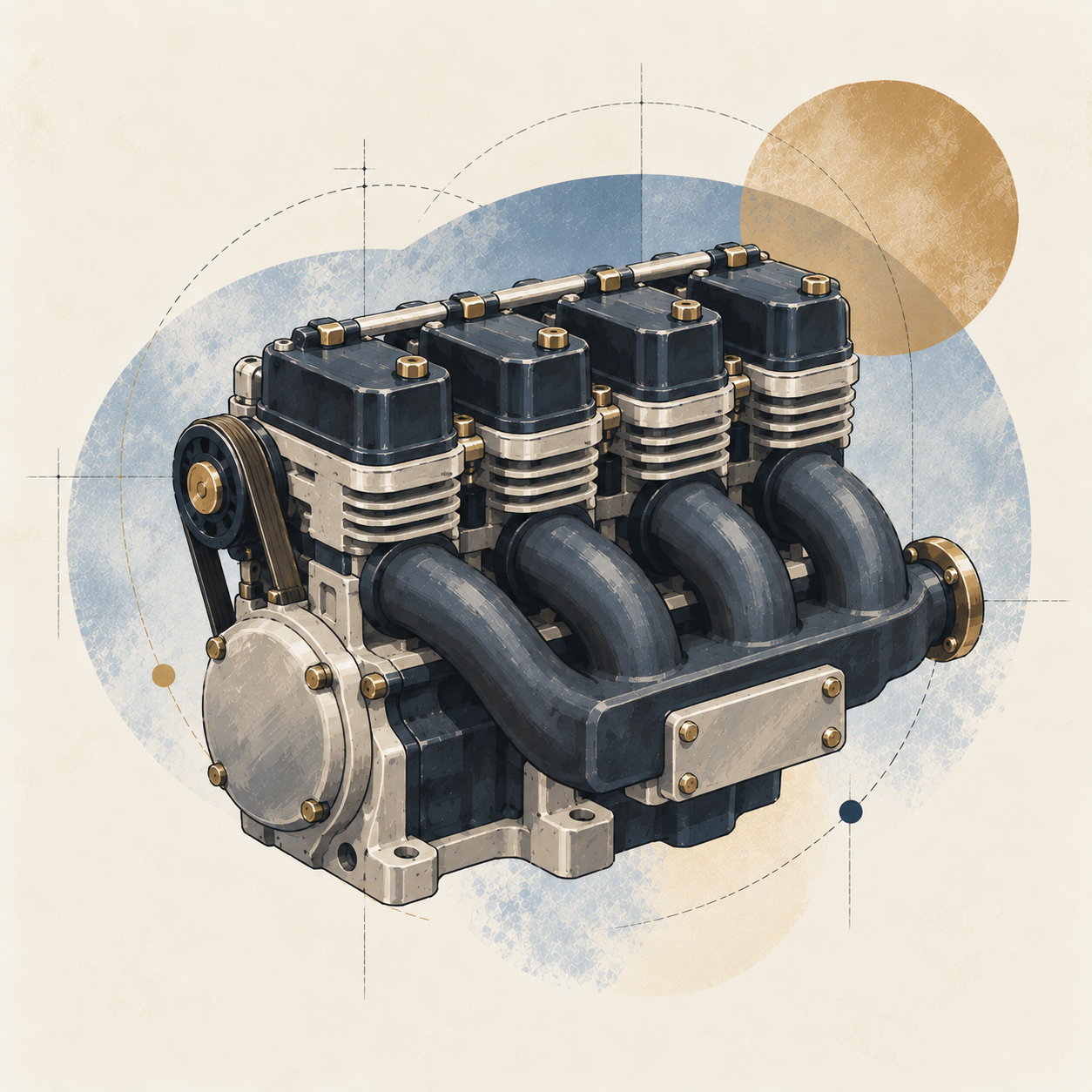
The Four-Cylinder Engine
Typical revenue: $2 million to $5 million
The business is no longer powered by the founder alone. Roles begin to take shape, people assume greater responsibility and revenue becomes more stable. But the parts do not always work together smoothly. Coordination can remain inconsistent, accountability may still be unclear and important processes often live in people's heads. The challenge is building systems strong enough to support growth beyond the individuals who created them.
Stage 3 · Take-Off
The Turbocharged Engine
Typical revenue: $5 million to $15 million
At Take-Off, the company begins developing the capacity to scale. Processes become less dependent on particular individuals, leadership extends beyond the founder and the business starts making more deliberate strategic choices. This stage asks both the owner and the organization to operate differently. The company needs enough structure to create consistency while preserving the responsiveness and entrepreneurial strength that helped it succeed.
Stage 4 · Expansion
The Enterprise Engine
Typical revenue: $15 million and above
Expansion is about more than continued growth. It is about building an enterprise that can perform consistently while adapting to greater size, complexity and opportunity. Leadership, culture and capability can no longer depend on any one person. The organization must remain coherent as it expands into new markets, geographies or lines of business while still recognizing when the world around it is changing.

The 4-Stage Growth Model: An Enterprise Architecture Framework for Small-Business Transformation
Read ArticleA deeper look at the four stages, the eight dimensions of business development and why growth can stall when they fall out of alignment.
Different Stages Need Different Things.
Read ArticleExplores why businesses often encounter difficulty at predictable points of development and how structural lag can prevent the organization from supporting its next stage.
Go Deeper
Growth Explore the Thinking Behind the Model.
The Four Stage Growth Model provides a practical way to understand how businesses change as they develop. For those who want the research and thinking behind the framework, these two articles go deeper.

When Growth Falls Out of Alignment
When One Part of the Business Outgrows Another.
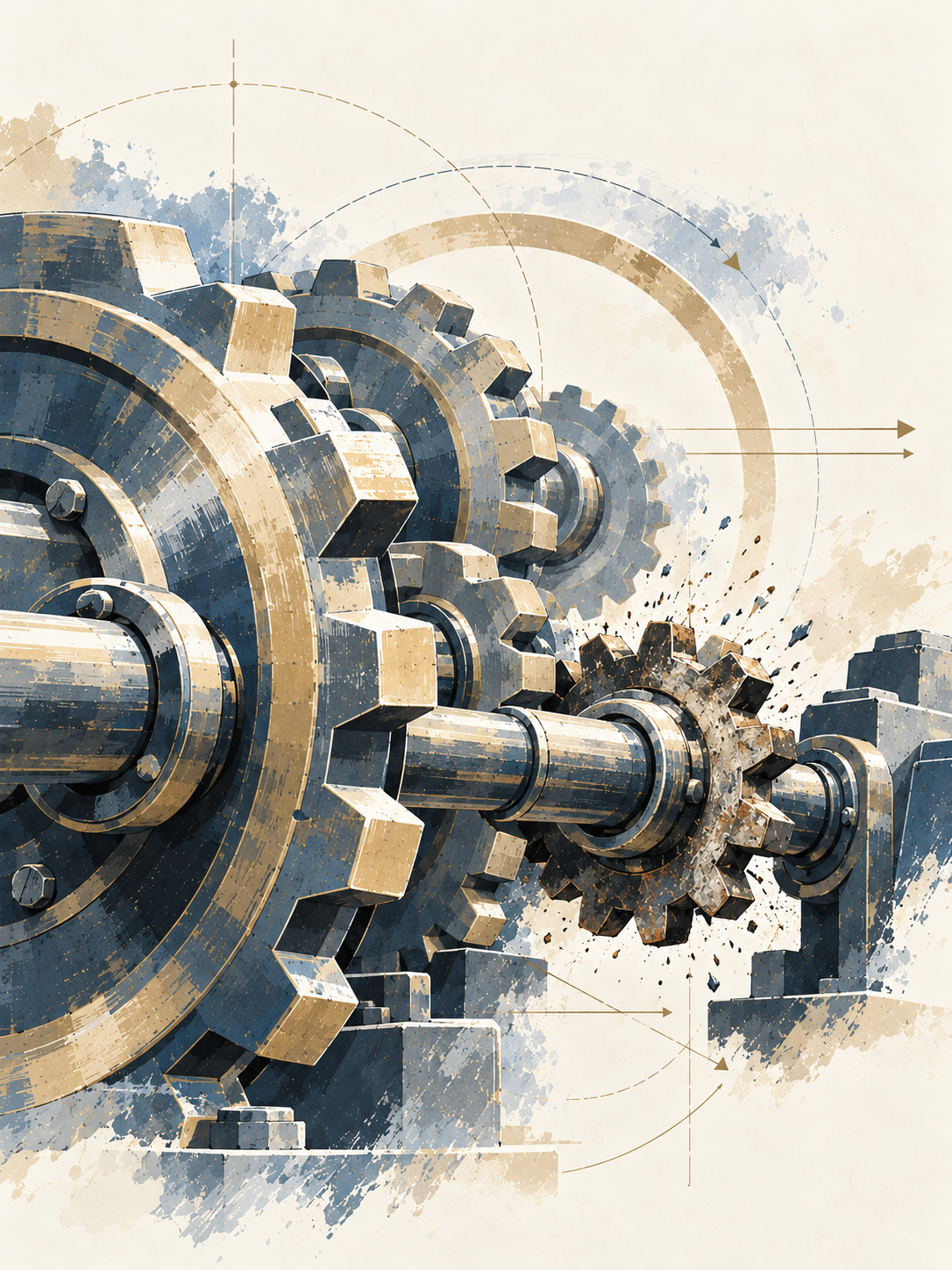
Companies do not always move cleanly from one stage to the next. Revenue may advance while leadership remains centered on the founder. The team may grow while roles and processes remain designed for a smaller company.
Lane calls this
structural lag: some parts of the business have advanced while others are still operating for an earlier stage. Bottlenecks, inconsistent execution and stalled growth may be symptoms of that deeper misalignment.
Find Your Stage
A Stronger Business Creates More Options.
Understanding your company’s stage is not about growth for its own sake. It is about building a business that is more sustainable, more valuable, less dependent on any one person and better prepared for what comes next.
That may mean continued growth, developing a stronger leadership team, preparing for transition or positioning the business for an eventual sale. The first step is understanding where the company is today, where structural lag may exist and what deserves attention next.